
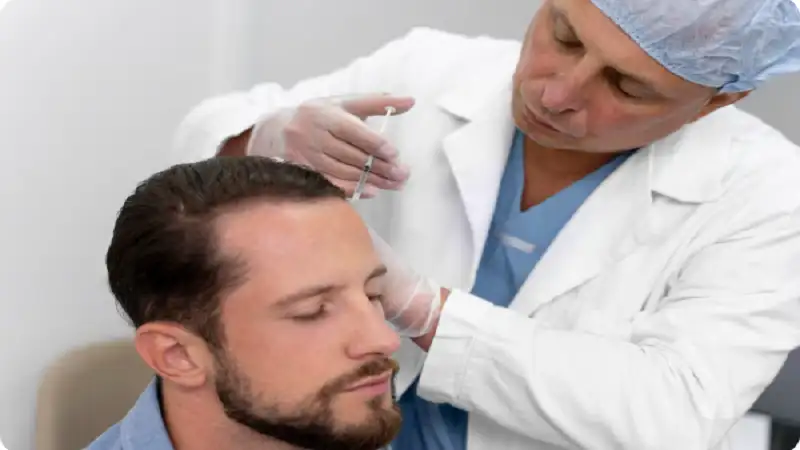
Hair loss affects millions of people worldwide, and many are turning to advanced medical procedures to restore their confidence. Dubai has emerged as a leading destination for cosmetic procedures, including hair transplant in Dubai, attracting patients from around the globe with its combination of cutting-edge technology and competitive pricing.
Why Dubai Has Become a Hair Restoration Hub
The UAE’s largest city has invested heavily in medical tourism infrastructure, creating world-class facilities that rival those found in Europe and North America. Clinics here offer state-of-the-art equipment, internationally trained surgeons, and comprehensive packages that often include accommodation and aftercare services. The city’s strategic location makes it accessible to patients from Asia, Africa, and Europe, while its reputation for luxury extends to the medical sector.
Popular Hair Transplant Methods Available
FUE (Follicular Unit Extraction)
This minimally invasive technique involves extracting individual hair follicles from donor areas and implanting them into thinning regions. FUE leaves tiny, barely visible scars and typically offers faster recovery times compared to traditional methods.
FUT (Follicular Unit Transplantation)
Also known as the strip method, FUT involves removing a thin strip of scalp from the back of the head, then carefully dissecting it into individual grafts. While this approach can handle larger transplant sessions, it does leave a linear scar that requires consideration for future hairstyle choices.
Advanced Techniques
Many Dubai clinics now offer enhanced versions like Sapphire FUE, which uses sapphire-tipped instruments for more precise incisions, and DHI (Direct Hair Implantation), where follicles are implanted immediately after extraction using specialized tools.
What the Treatment Process Actually Involves
The journey typically begins with a detailed consultation where surgeons assess your scalp condition, hair loss pattern, and realistic expectations. Digital imaging may be used to plan the procedure and show potential outcomes. On treatment day, local anesthesia ensures comfort throughout the process. Depending on the number of grafts needed, procedures can take anywhere from 4 to 8 hours. Patients usually remain awake and can read, watch movies, or rest during the session. Recovery involves following specific aftercare instructions, including gentle hair washing techniques and avoiding strenuous activities for about two weeks. New hair growth typically becomes visible after 3-4 months, with full results apparent within 12-15 months.
Understanding the Financial Investment
Pricing varies significantly based on several factors: the number of grafts required, chosen technique, clinic reputation, and included services. Most Dubai clinics charge per graft, with prices ranging from $2 to $8 per graft depending on the method and facility. All-inclusive packages often provide better value, covering the procedure, medications, follow-up appointments, and sometimes accommodation. It’s essential to understand exactly what’s included in quoted prices to avoid unexpected costs.
Selecting the Right Clinic and Surgeon
Research is crucial when choosing where to have your procedure done. Look for surgeons with specialized training in hair restoration and membership in relevant medical associations. Review before-and-after photos of actual patients, paying attention to cases similar to your hair loss pattern. Patient testimonials and independent reviews provide valuable insights into the real experience at different clinics. Don’t rely solely on marketing materials or websites when making your decision.
Managing Expectations and Potential Risks
Like any surgical procedure, hair transplants carry some risks including infection, bleeding, scarring, or uneven hair growth. Temporary side effects such as swelling, numbness, or shock loss (temporary shedding of existing hair) are relatively common but usually resolve within weeks. Success rates are generally high when performed by experienced surgeons, but results depend on factors like hair type, age, extent of hair loss, and individual healing responses.
Planning Your Medical Tourism Journey
International patients should plan to stay in Dubai for at least one week to allow for the procedure and initial follow-up appointments. Many clinics offer assistance with visa requirements, airport transfers, and accommodation bookings. Consider purchasing travel insurance that covers medical procedures abroad, and ensure you have all necessary documentation for your return journey.
Making the Final Decision
A hair transplant represents a significant commitment in terms of time, money, and recovery. While Dubai offers excellent options for this procedure, thorough research and realistic expectations are essential for satisfaction with your results. Take time to consult with multiple clinics, understand all costs involved, and carefully weigh the benefits against potential drawbacks before proceeding.