
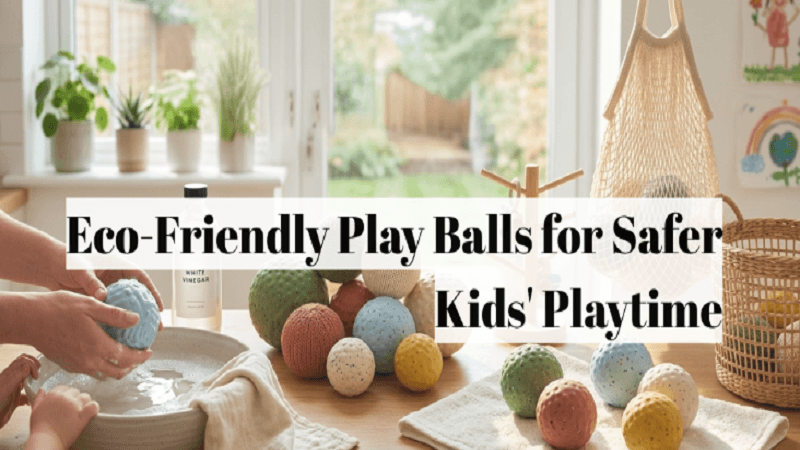
Have you seen kids dive into a ball pit? It’s all fun until you start wondering what those bright plastic balls are actually made from. Most toys on the market today contain chemicals that aren’t exactly safe for little ones who love to chew, throw, and roll around with their playthings.
If safety and sustainability are important to you, eco-friendly play balls are the ideal choice. Curious to know how? Well, these balls use non-toxic materials, resist pressure without cracking, and come in colours that won’t fade or leach onto little hands.
We’re Made Minimal, and we’ve gained customer satisfaction by offering thoughtfully designed kids’ play accessories across Brisbane. So, let’s read our opinion on eco balls to help you make better playtime decisions for your family.
What Makes a Play Ball Eco-Friendly?
An eco ball uses non-toxic materials like PE plastic, avoids harmful additives, and is produced using methods that reduce environmental impact.
Here’s what actually sets them apart from the standard product you’ll find on the market today:
Materials That Break Down Naturally
The types of plastic used in eco balls decompose faster than traditional PVC. PE plastic and natural rubber break down without leaving toxic residue in landfills, which means less long-term environmental damage.
Eco-friendly materials skip the additives that contaminate soil when you eventually toss old balls. Instead, plant-based dyes replace synthetic chemical colours, which keeps the product safer from start to finish.
Non-Toxic Certifications Worth Checking
BPA-free certification confirms no harmful chemicals leach into kids’ hands or mouths during play. You’ll also want to look for Australian safety standards like AS/NZS ISO 8124, which test for heavy metals and toxins (something most brands skip over).
These certifications aren’t just labels stuck on packaging. Third-party lab testing offers transparent proof beyond basic manufacturer claims, which will allow you to feel confident in what you’re buying.
How Manufacturing Impacts the Planet
Moulded construction uses less energy than multi-part assembly processes for plastic toys. The reason is pretty simple: a single-piece design eliminates glues and chemical bonding agents from the production line entirely.
On top of that, lightweight PE balls require less fuel for transport compared to heavier toy alternatives. When it comes to keeping things clean for the environment, these production choices add up over time.
Why Swap to Eco Balls for Your Kids?
The main reason parents switch to eco balls is to avoid exposing their kids to the harmful chemicals found in traditional plastic toys. If you’ve spent any time with toddlers, you know everything goes straight into their mouths.
While it’s not a problem when you choose safer materials, the usual plastic balls on the market contain phthalates and additives linked to health concerns. And honestly, that’s not something you want anywhere near your little ones.
Beyond safety, there’s the experience of watching toys break after a few rough play sessions. Pressure-resistant construction means fewer broken balls heading to the bin each year, which saves you money and cuts down on waste.
It’s durable construction also outlasts cheap alternatives by years reducing the cycle of buying replacements every few months. When kids play hard, you need toys built to keep up without falling apart.
Plastic Balls vs. Eco Ball: What’s the Real Difference?
The difference between plastic balls and eco balls comes down to what’s inside the material and how it’s made. From what Brisbane parents ask us most at Made Minimal, the biggest concern is always safety, followed closely by how long these balls truly last.
Let’s break down the key differences:
| Traditional Plastic Balls | Eco Balls |
| Often contain PVC and chemical stabilisers | Made from PE plastic without harmful additives |
| May release toxins over time | Non-toxic formulation stays safe through years of use |
| Thinner walls, prone to cracking | Pressure-resistant construction for rough play |
| Manufacturing uses more energy and water | Single-piece moulding reduces resource use |
Traditional plastic balls contain PVC and additives that can release toxins over time, especially when kids wash them or get them wet during play.
But there’s no such risk with eco balls since they use PE material that’s pressure-resistant without harmful chemical stabilisers. When it comes down to it, manufacturing processes for eco options prioritise renewable energy and reduced water usage.
You likely won’t find the same attention to sustainability in standard balls, and that’s a difference worth noting when you’re trying to find the right choice for your home.
How PE Material Keeps Playtime Safe
PE material is one of the safest plastics you can choose for kids because it resists pressure without releasing harmful substances. So what makes PE different? The answer comes down to how the material responds when your baby or toddler squeezes, throws, or chews on these soft balls during playtime.
PE plastic resists pressure without cracking or releasing microplastics during rough play (and that’s a big deal for active toddlers). The non-toxic formulation means no BPA, phthalates, or heavy metals in finished products, which keeps kids safe over time.
What’s more, smooth surfaces prevent scratches and reduce bacterial growth between cleaning sessions. When the material stays intact through months of play, it continues to work as intended without breaking down or becoming a health risk. That consistency is what parents need when choosing toys for their little ones.
Good Quality Eco Balls: What to Look For
Not all eco balls are the same, since some brands cut corners on durability or safety testing.
After stocking eco balls for Brisbane families, we’ve learned what separates good quality products from the ones that don’t last. This is where quality really shows, especially when you expect these balls to survive years of rough play.
Durability Without Harmful Chemicals
Thick-walled construction maintains shape through constant bouncing, squeezing, and throwing. Pressure-resistant materials prevent deflation and cracking even with toddler rough handling, which means fewer replacements over the years.
What makes this even better is the moulded construction that creates consistent thickness without weak spots that crack under pressure. Once you check the build quality, look for even surfaces and uniform colour throughout the entire ball. That tells you the manufacturing process prioritised strength over cutting costs.
Colours That Won’t Fade or Leach
Plant-based dyes bond permanently to the material without washing off onto hands during play. These UV-stable pigments maintain brightness even with outdoor sun exposure over months, giving you a wider range of colour options that actually last.
In terms of benefit, non-toxic colour additives pass safety tests for mouthing and extended skin contact. So, the ideal eco ball keeps its appearance without transferring dye to skin, clothes, or furniture.
Caring for Eco-Friendly Kids’ Play Accessories
Now that you’ve invested in safer play balls, keeping them clean and fresh doesn’t require fancy products or complicated routines. Thankfully, a simple wash with what you already have at home does the job perfectly.
Follow these steps to maintain your eco balls properly:
- Regular Cleaning: Warm soapy water cleans most dirt without damaging eco-friendly surface coatings. We recommend skipping harsh detergents or powder cleaners because they can break down the soft material over time.
- Air Drying Works Best: Rinse them under water, shake off the excess, and let them dry naturally. Air drying prevents moisture buildup that causes mould in storage containers or bins.
- Rotate Your Collection: Swap which balls stay in active play areas once in a while. Doing this extends lifespan by reducing wear patterns from favourite spots and keeps the whole set lasting longer.
- Store Smart: Breathable mesh bags or open containers work better than sealed plastic bins. The reason is that airflow stops moisture from getting trapped between balls, which keeps them fresher for longer.
Pro Tip: If you notice any sticky residue or outdoor grime, add a splash of white vinegar to your wash routine. It breaks down stubborn dirt without leaving chemical traces behind.
Turn Playtime Into Something Meaningful
Swapping to eco-friendly play balls protects your kids today and shows them how small choices can help the planet tomorrow. It’s not a huge change, but it adds up when more families make the switch. When kids love their toys, and those toys happen to be safer for them and the environment, that’s a win worth celebrating.
Ready to make the change? Browse our range of eco-friendly kids’ play accessories at Made Minimal or request more details about our products. We’re here to help families with kids find great options that truly make a difference.