
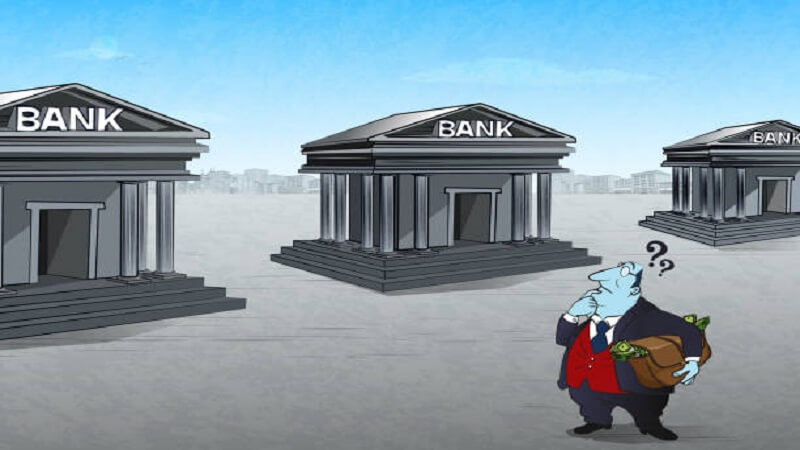
Europe’s banking market is diverse, competitive, and constantly changing. From digital-first fintechs to traditional institutions modernizing their systems, the options are endless. But with so many choices — how do you find the bank that truly fits your needs? Let’s break it down.
Europe’s banking market is diverse, competitive, and constantly changing. From digital-first fintechs to traditional institutions modernizing their systems, the options are endless.
But with so many choices — how do you find the bank that truly fits your needs?
Let’s break it down.
Why Comparing Banks Is More Important Than Ever
For decades, people stayed loyal to one bank for life. That era is over.
Today, switching accounts is easy — and sometimes, it’s the smartest financial move you can make. Interest rates vary widely across Europe. Some banks charge hidden fees, while others offer surprisingly high returns on savings and fixed deposits.
If you’re not comparing options, you’re probably leaving money on the table.
Where Should You Start?
Start with your priorities.
Are you looking for a simple savings account? A secure fixed deposit? Or maybe low-fee international transfers?
Knowing what you need helps narrow the field. Many Europeans now use independent comparison tools like PickTheBank to check which institutions offer the best mix of safety, return, and convenience across different countries.
You don’t have to be a finance expert — these platforms do the heavy lifting by collecting verified data and making it easy to compare offers side by side.
Are Interest Rates the Whole Story?
Not quite.
A higher interest rate doesn’t always mean a better deal. You need to look at the full picture — fees, taxes, withdrawal restrictions, and even customer service quality.
A bank offering 0.2% higher interest might seem attractive, but if they charge maintenance fees or limit access to your funds, that benefit can disappear fast.
So, think beyond the numbers. Consider flexibility, transparency, and how easy it is to manage your money day-to-day.
What About Security and Regulations?
In a cross-border context, security is everything.
Always make sure the bank is licensed and supervised by a recognized authority — whether that’s the European Central Bank, the local national regulator, or another official body.
Don’t forget deposit protection. In most EU countries, your funds are guaranteed up to €100,000 per person per institution. It’s a detail people often overlook until it’s too late.
Digital or Traditional — Which Is Better?
That depends on your lifestyle.
Digital banks tend to offer faster onboarding, better apps, and lower fees. Traditional banks, on the other hand, may provide more personal support or local expertise.
The smartest approach? A hybrid one. Use a digital account for convenience and returns, and a traditional one for stability. Many Europeans already do exactly that.
Can You Trust Online Comparison Tools?
Yes — if they’re independent and transparent about their data sources.
Platforms like PickTheBank collect and compare interest rates, deposit terms, and account conditions across Europe without favoring any particular bank.
This allows you to make an informed choice — based on facts, not marketing claims.
The Bottom Line
Comparing banks isn’t just about chasing the best rate — it’s about finding the institution that fits your goals, habits, and risk tolerance.
Europe offers incredible diversity in banking, but that can be overwhelming without the right tools. Take your time, read the fine print, and use trusted resources to guide your decisions.
The right bank can quietly help you grow your wealth. The wrong one can slowly drain it.
The difference? A few minutes of smart comparison.